Artwork & Setup
Artwork review, plate/cliché preparation, and process setup for consistent print alignment.
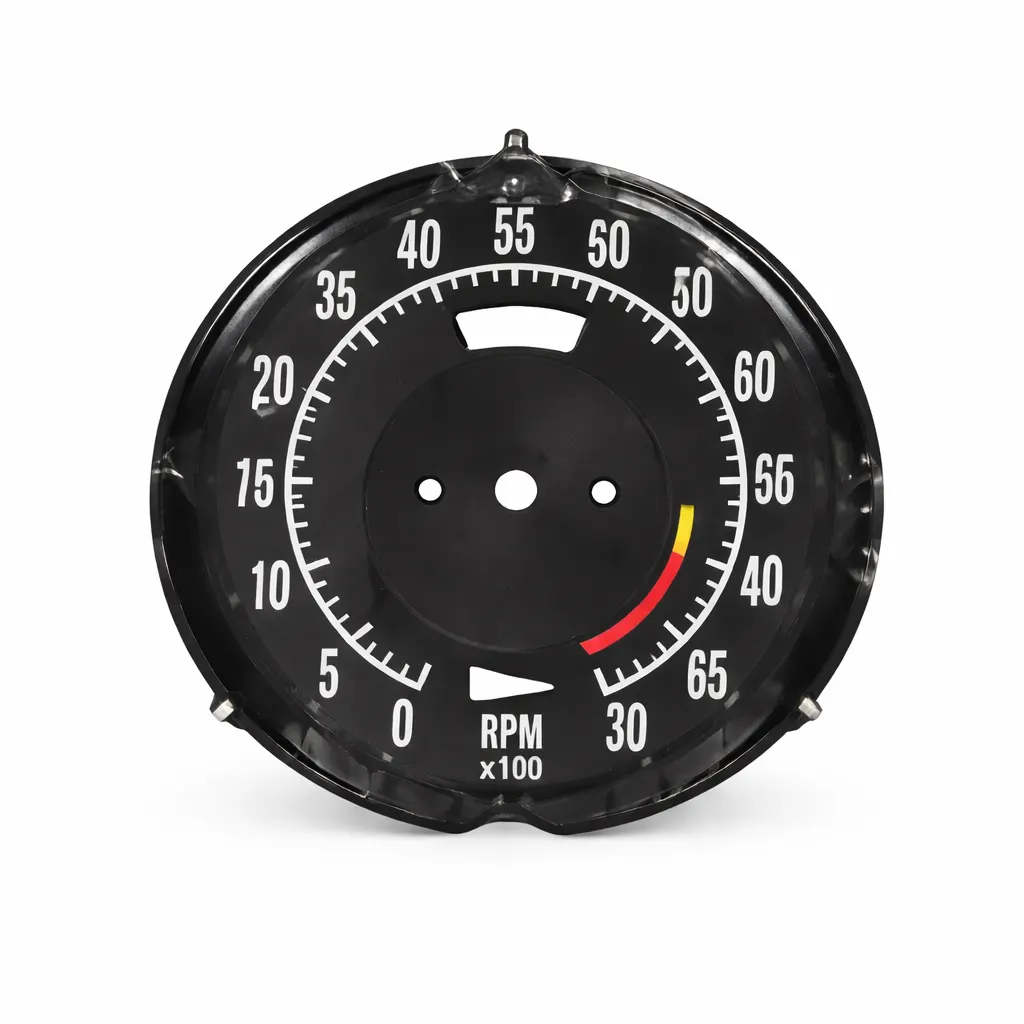
Pad printing is a dry offset printing process that transfers a 2D image onto a 3D object using a silicone pad. It allows fine-line printing on irregular surfaces and is often preferred over screen printing when parts have curves, recesses, or complex shapes.
Common printing requirements we support for molded plastic components.

Artwork review, plate/cliché preparation, and process setup for consistent print alignment.

Ink selection based on surface and durability needs, with sampling for approval before production.
Pad printing is ideal for curved or uneven surfaces where sharp details and fine lines are needed. It is commonly used for branding, part identification, and functional markings on molded plastic components.
Printing options depend on artwork, part geometry, and durability requirements.
Sharp branding and functional marks with consistent placement and clean finish.
Pad printing transfers ink from an etched plate onto molded plastic parts using a silicone pad, enabling precise logos, markings and text on curved or irregular surfaces.
Rollex can apply logos, part numbers, scales, symbols and branding onto molded components with consistent, durable results.
With proper ink selection and curing, pad-printed and stamped markings are durable and suitable for industrial and consumer applications.